


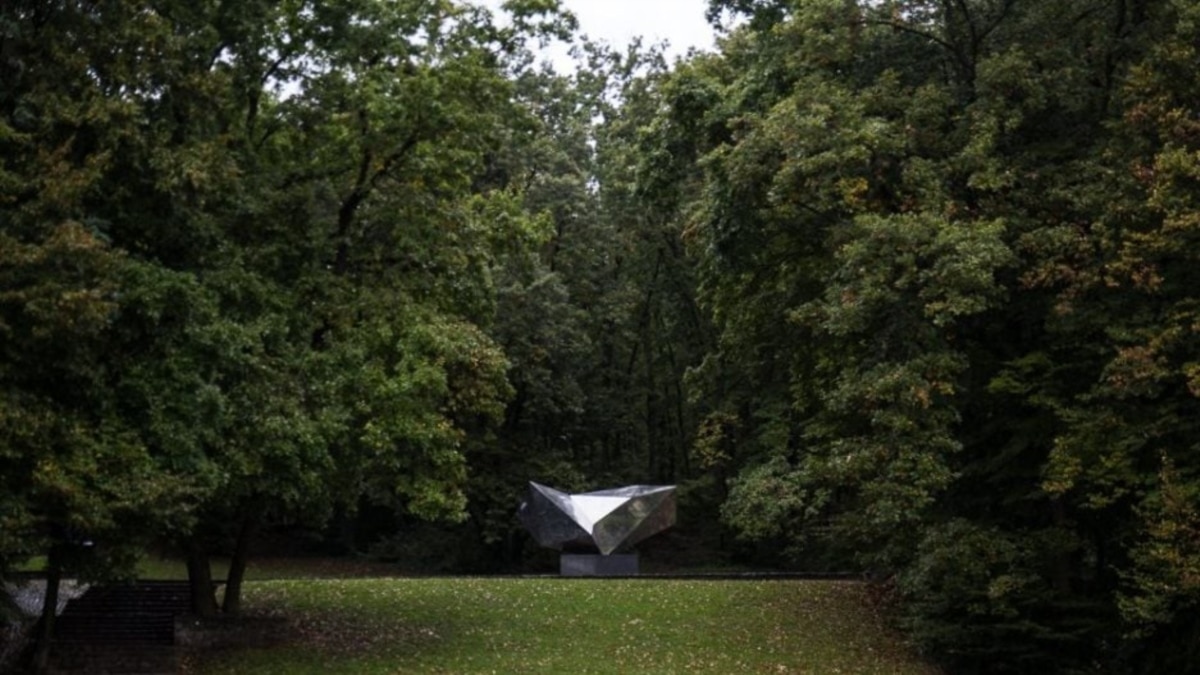
 The consequences of World War II were great material destruction, and the human losses were also extremely high. The greatest number of casualties and victims in Yugoslavia occurred in the territory of the Independent State of Croatia, namely in Bosnia and Herzegovina and Croatia. The long duration and intensity of the war in Croatia and the presence of significant occupation forces of the Third Reich, Italy and Hungary, and then the actions of the Armed Forces of the Independent State of Croatia, the Chetnik movement and the Partisan movement resulted in direct conflicts between the warring parties, which led to great human losses both among soldiers and among the population. The irreconcilable ideologies and political and military interests of the opposing sides in the war conflict and civil war multiplied the human losses.
Taking into account all the indicators and assumptions necessary for calculating the human losses of Yugoslavia in World War II, demographic losses may amount to around 2 million and actual losses to around 1 million. Significant increases in the demographic and actual losses of Yugoslavia in World War II are most often due to the adjustment of the calculation methodology to the needs of acceptable demographic and actual losses of a particular national/ethnic group. However, according to all indicators, the actual losses of Croats in World War II and the post-war period could amount to around 200,000, with minor shifts towards higher or lower values.
Previous research into the demographic and actual human losses of Croatia and Yugoslavia in World War II and the post-war period provides insight into the approximate and possible number of victims, casualties and sufferers. There is no significant disagreement among researchers in determining the demographic and actual human losses of Croatia and Yugoslavia in World War II and the post-war period, but there are serious doubts about the number of casualties and victims by national/ethnic and ideological/military affiliation, as well as by place and circumstances of death or perpetrator. The human losses of Croatia and Yugoslavia in World War II and the post-war period, despite numerous estimates, calculations and lists, is one of the most controversial research and, moreover, the most sensitive (daily) political topics.
There are various estimates, calculations, and even name lists about the human losses of Croatia and Yugoslavia in World War II and the post-war period and their national/ethnic structure. However, even name lists of victims and casualties in World War II and the post-war period, such as the Jasenovac camp or Bleiburg and the “Stations of the Cross”, cannot be considered final. Changes are possible both in terms of an increase and a decrease in certain categories of victims and casualties. Namely, a warning to be cautious when listing names of human losses in World War II and the post-war period, which were mainly created on the basis of statements, is the realization that numerous providers of data on victims and casualties were most often unable to know the circumstances, time and place of loss of life. In addition to the necessary and inevitable additions and corrections of data in name lists, significant changes in the structure of victims and casualties, i.e. transfers from one national/ethnic and even ideological/military group to another, are also noticeable, which also indicates possible manipulation. Name lists of human losses, historians’ estimates, and statisticians/demographers’ calculations are often significantly different, and there are conflicting opinions about the (un)reliability of name lists of casualties and victims in Yugoslavia and Croatia in World War II, or whether it is (impossible) to determine actual losses through name identification.  The greatest and most dishonorable mystification of Yugoslav politics and science, especially historiography and demography, was the mystification of the human losses of Yugoslavia in World War II, and the casualties and victims caused by the occupiers and their collaborators, primarily in Croatia. The supporters of mystification and obfuscation of the facts about the human losses of Yugoslavia, and Croatia, in World War II, did not stop even after the collapse of the SFR Yugoslavia.
Due to the lack of systematic research, many still cite arbitrary estimates, increasing or decreasing certain categories of human losses in Croatia and Yugoslavia during World War II and the post-war period. Increasing or decreasing, or even concealing, the number of certain categories of human losses, along with ignorance of the facts, most often results from personal, national or political reasons, because the victims and victims are “ours”, and the perpetrators are “theirs”, or, on the other hand, the victims and victims are “theirs”, and the perpetrators are “ours”. Proponents of both the left and right worldviews in Croatia continue to strive, despite their declarative statements condemning every crime, to silence and belittle any research that does not support their preferred picture of the past. At the same time, they try to minimize events and facts that have become public and unquestionable and present their own explanations. It is noticeable that the Croatian media are predominantly the transmission of precisely such efforts. The ubiquitous public discourse on the human losses of Croatia and Yugoslavia in World War II and the post-war period, between fascists and anti-fascists, is extremely political, not scientific. In addition, there is practically no scientific dialogue on the issue of human losses in World War II and the post-war period in Croatia. Despite everything, Croatian historiography, as well as other historiographies that have addressed the issue of human losses in Southeast Europe, Yugoslavia, and Croatia in World War II and the post-war period, have resulted in numerous works that can help clarify numerous issues.  In researching the human losses of Croatia and Yugoslavia in World War II and the aftermath, the problem is most often not only the lack of sources and credible indicators, but also the “good will” to properly address certain issues. In researching the human losses of Croatia and Yugoslavia in World War II and the aftermath, it is inevitable to face the past. So far, we have not shown the readiness and ability to think in this way. The question is to what extent today’s Croatian society and individuals, quite obsessed with “peril mania”, are capable of facing the past, or to what extent politics consciously prevents them from doing so. In Croatia, the phrase about the need to leave the past to historians is constantly repeated. In addition, according to some opinions, politicians should of course be the inspissors of historians on how and what to write, including about human losses in World War II and the aftermath. Mostly the same individuals, both “right” and “left”, “general practice” scientists and experts on every controversial issue and every incident, with the support of the media, lobotomize us with their manneristic views of the human losses of Yugoslavia, Croatia, Croats, and others in World War II and the post-war period. Both compete in one-dimensional interpretations, selective and tendentious views of the human losses of Croatia and Croats in World War II and the post-war period, without taking into account the indicators that research has come up with. In daily political debates, the human losses of Croatia and Yugoslavia in World War II and the post-war period are mainly reduced to Jasenovac and Bleiburg, or to the human losses caused by the Ustashas and Partisans. However, the issue of the human losses of Croatia and Yugoslavia in World War II and the post-war period is significantly more complex and multi-layered, both in terms of the victims and casualties, and in terms of those who caused the human losses.
Determining the number and names of human losses, both soldiers and civilians, of those killed, those killed as a result of the war, and missing persons cannot be approached on the basis of improvisations, but on the basis of certain real indicators, in order to arrive at the most approximate data on the number and names of those killed and victims. Determining human losses is not only a scientific and research need, but also a civilizational need and necessity. For many reasons, the issue of human losses is one of the most complex research topics that needs to be examined and supplemented. Therefore, there are a number of open questions and counter-questions regarding the human losses of Croatia in the Second World War and the post-war period.
Ph.D. Vladimir Geiger, permanent scientific advisor


